

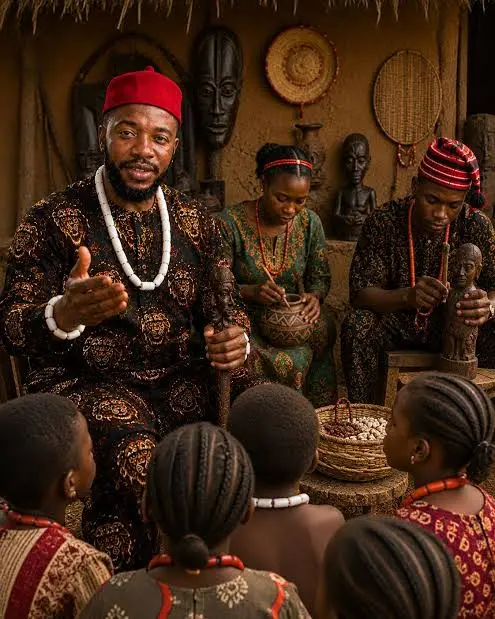
Want to teach your kids to love their African heritage? Teaching your child where he’s from and what has happened in his past is an important part of helping him develop a positive self-perception. Today, African American children can flip on their TV, walk into a toy store, or even head to Disneyland and see very few images of themselves before them in all the fun and creation.
Nowadays, parents are still struggling to find a toy, a character on a t-shirt, even a story in our local shops that includes the image of brown people. There are even fewer that feature brown boys. We must keep sending our children positive pictures, as it is critical to their lives.
Why African Culture Must Be Preserved for Younger Generations
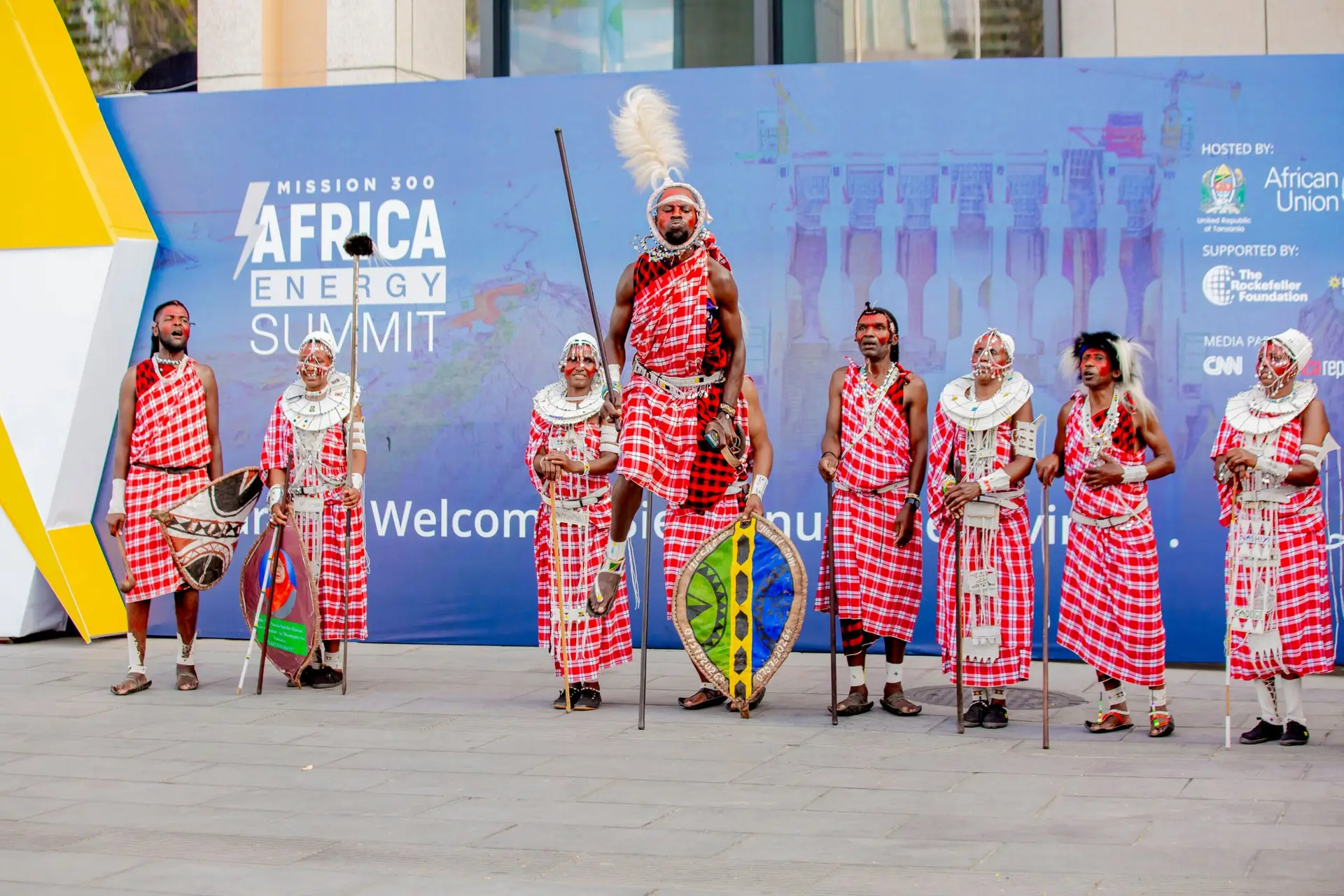
When you think of “Africa”, you think of a continent that is diverse, colourful and extremely cultural, with vast possibilities. It is certain that there is no other place in the world as rich in culture and heritage as Africa, from the Maasai warriors of East Africa to the Zulu kingdom of Southern Africa. Our cultures are grounded in community and a responsibility for land, community elders, and community members.
Keeping African heritage and cultures does not mean discard modernity. Instead, it is about the merger of the two modernisation and culture. There is space for technological development and even the integration of globalisation within one’s culture.
Preserving our history as Africans and our cultures today is not for the sake of mere nostalgia, it is for the maintenance of our principles, personalities and all the practices that stand for us. It must be noted that our heritage is also contending with the different forces of modernisation.
When there is balance between modernity and tradition, there is an opportunity for our cultures. In such a case, today and tomorrow shall be blessed with better lives from healthy and vibrant cultures. All the citizens have to save the society of heritage from future failures.
Thus, there is a need for enlightenment in terms of the building of multicultural societies.
Tips for Introducing African Culture to Younger Generations
You can make your kids embrace their African cultural heritage in various ways, below are some of them.
Study traditional language
When students learn a language other than English, they have a direct link to the culture if their ancestors spoke another language or communicated differently from people today. Learning the language can even be a thrilling experience to converse with an elder in your community who speaks the language fluently.
Know and respect your family
History and its traditions are long, long ago, but what is closest to you are the ones you love and see daily.
Learning together about your shared history is a great chance to deepen intimacy, to discover your heritage, and to honor those who came before you.
Kente cloths
Kente cloth is a distinctive and vibrant cloth made from Ashanti origin in Ghana. It is handwoven using strips of silk and cotton, creating beautiful patterns and colors.
Today in Ghana, kente cloth is worn for special occasions and events. It does not require you to weave a real cloth for this craft to be designated.
Cook traditional foods
The foods of your ancestors can vary greatly from what you enjoy at family get-togethers and on holidays today.
It’s as simple as looking at recipes, going to the grocery store for a few items and spending special time together in the kitchen.
Traditional dance
The folk dances of various countries have been handed down from generation to generation. Popular native American dances include grass dances, Lakota dances, and rain dances.
African necklaces
African necklaces are beautiful pieces of jewelry that hold deep cultural and symbolic significance.
They are made in intricate beadwork, unique pattern, and vibrant colors. African necklaces are an excellent craft project for children, with the ability for children to learn about African culture, experiment with materials, and make beautiful necklaces.
Teach oral traditions and story telling
There are stories to be told in every culture, for hundreds of years or even thousands. Read some of your ancestors’ most significant stories from creation to ancient times, through to modern folktales, and share them with friends and family.
African masks
Masks are very significant in African culture. In many African communities, African masks are the central feature of social and religious occasions.
They have two meanings: artistic and spiritual. African masks are great kids craft ideas, and they can experiment with various materials and materials, as well as different designs to encourage their creativity and imagination.
Conclusion
African nations are turning into expressive countries. People no longer keep quiet about the things they’ve learned, taught and sometimes been made uncomfortable by being born and bred here.
People who gain knowledge are not scared to give it to others who listen and the word ‘education’ has taken on a new significance.
If you are an all-rounder African with tech skills, western influence and African culture, there is a room for African children to have more doors opened for them and there is a room for creating business opportunities that will give Africa the glow it deserves.




Leave a Reply